Vacation Home Insurance Utah: Protecting Your Getaway
Utah’s vacation homes face real weather threats and liability risks that standard homeowners insurance won’t cover. Hail, flash floods, and winter storms hit the state hard, and rental properties need protection that goes beyond what your primary home policy provides.
At Direct Insurance Services, we help vacation home owners in Utah find the right coverage for their specific situation. The right vacation home insurance Utah policy can save you thousands in unexpected costs.
Why Vacation Home Insurance Matters in Utah
Utah’s Weather Threats Demand Specialized Coverage
Utah’s vacation properties face weather threats that destroy homes and empty wallets. Hail storms cause significant damage across the United States, and Utah sits squarely in hail alley where spring and early summer storms pummel properties with ice. Flash floods in canyon areas near popular vacation destinations like Park City and Moab overwhelm drainage systems within minutes, destroying foundations and personal belongings. Winter storms dump heavy snow that collapses roofs on older cabins, and wind events regularly exceed 50 mph across the state. Your primary homeowners policy won’t cover any of this damage at your vacation property because standard coverage explicitly excludes unoccupied or seasonal homes. Insurers view vacant properties as high-risk because no one is there to spot water leaks, address frozen pipes, or notice fire hazards before they spread. This gap leaves vacation home owners personally liable for tens of thousands in repairs.
Rental Activity Exposes You to Major Liability Claims
If you rent your vacation home on platforms like Airbnb or VRBO, your standard homeowners insurance becomes worthless the moment a guest books a stay. A guest who slips on ice on your deck and breaks their leg can sue you for medical bills, lost wages, and pain and suffering. Standard policies exclude rental activity entirely, meaning your insurer can deny the entire claim and leave you exposed. Short-term rental coverage specifically designed for vacation homes addresses this gap by adding liability protection for guest injuries and property damage caused by renters. Your property also needs coverage for theft and vandalism, which spike when homes sit empty between rental periods. Many vacation home owners discover too late that their regular homeowners policy cancels coverage the moment they list the property online.
Understanding Your Coverage Gaps Protects Your Investment
The difference between adequate vacation home insurance and inadequate coverage comes down to one thing: understanding what your primary policy actually excludes. Utah’s unique weather patterns, rental market demands, and property risks require specialized attention. You need policies that cover your seasonal property while keeping premiums reasonable. Additional protection through endorsements for high-value items, service line coverage for utility repairs, and water backup protection for drain failures can address specific vulnerabilities on your property. Shopping multiple top-rated carriers ensures you find the right fit for your vacation home’s needs. The next section breaks down the specific types of coverage that protect Utah vacation homes from these real threats.
What Coverage Actually Protects Your Utah Vacation Home
Dwelling Coverage Shields Your Structure from Utah’s Weather
Dwelling coverage protects the structure itself-the walls, roof, foundation, and attached structures like decks or garages-against named perils including fire, hail, wind, and theft. For Utah vacation homes, this matters enormously because hail damage alone costs homeowners thousands annually across the state. If your cabin roof takes a pounding from a spring hailstorm near Park City or your mountain home’s foundation cracks from freeze-thaw cycles, dwelling coverage handles the repairs. However, dwelling coverage only protects the building itself, not what’s inside it.
Personal Property Coverage Protects Your Belongings Inside
Personal property coverage addresses the gap by protecting your furnishings, appliances, bedding, kitchen equipment, and other belongings inside the vacation home against the same perils. This distinction matters because many vacation home owners assume one type of coverage handles everything. If a water pipe bursts and floods your vacation cabin in winter, dwelling coverage pays for structural repairs while personal property coverage reimburses your damaged furniture and contents. The coverage limits matter too-most policies cap personal property at 50 to 70 percent of the dwelling limit, which can leave expensive items like high-end furniture or outdoor equipment drastically underinsured. Adding scheduled personal property coverage lets you specifically insure valuable items at full replacement cost rather than depreciated value.
Liability Coverage Becomes Essential for Rental Properties
Liability coverage represents the most critical protection for vacation home owners who rent their properties, yet it remains the most commonly overlooked component. When a guest injures themselves on your property-slipping on icy steps, falling from a deck, or getting hurt in a pool accident-your liability coverage pays their medical bills and legal costs if they sue. Standard homeowners policies explicitly exclude rental activity, which means listing your home on Airbnb or VRBO instantly voids your liability protection unless you upgrade to short-term rental coverage. Utah vacation rental properties face genuine liability exposure because guests are unfamiliar with the property’s hazards and seasonal weather patterns. A guest who doesn’t understand how quickly Park City weather changes or doesn’t realize a deck becomes slippery in freeze-thaw cycles creates real injury risk.
Guest Medical Payments and Pool Coverage Add Extra Protection
Guest medical payments coverage goes further by covering minor medical expenses for injuries that occur on your property, regardless of who’s at fault, which can prevent small incidents from escalating into lawsuits. If you own amenities like a hot tub or swimming pool, liability costs increase substantially because pools and hot tubs dramatically raise injury risk-insurers view them as serious liability exposures that require higher coverage limits or separate endorsements. The bottom line is straightforward: rental properties need liability coverage that explicitly covers guest injuries and rental activity, or you face personal responsibility for damages that could easily exceed six figures. Understanding these four coverage types positions you to make informed decisions about your specific vacation property. The next section examines how location, property features, and your choices directly impact what you’ll pay for this protection.
What Drives Your Vacation Home Insurance Cost
Location Determines Your Premium More Than Any Other Factor
Your vacation home’s location in Utah determines more of your premium than any other factor, and this reality should shape where you focus your attention when shopping for coverage. Coastal properties near water bodies face flood risk that inland mountain cabins avoid, while rural vacation homes in areas with slow emergency response times cost substantially more to insure than properties near towns. Park City and Moab vacation homes sit in wildfire-prone zones that insurers charge premium rates to cover, and properties in flood-prone canyons require separate flood insurance that adds hundreds annually. The age and condition of your structure matters equally-older cabins with outdated electrical systems or roofs nearing the end of their lifespan trigger higher quotes because insurers view them as elevated fire and weather damage risks.
Property Features and Amenities Raise Your Costs
Properties with pools or hot tubs cost more because these amenities create genuine liability exposure that justifies higher coverage limits. Your property’s replacement value directly impacts premiums since a cabin worth $400,000 costs more to insure than one valued at $200,000. If you’re financing your vacation home, your lender’s requirements may force you into specific coverage levels that increase your costs regardless of what you’d choose independently.
Security Systems Cut Your Premiums Substantially
Security measures on your vacation property create the most straightforward path to meaningful premium reductions, and this is one area where your actions directly control your costs. Deadbolt locks, motion-sensor lighting, and security system monitoring can reduce your premium depending on your insurer’s specific discounts. Properties with monitored alarm systems that alert local authorities during break-ins qualify for better rates because insurers view them as significantly lower theft risks-particularly important for vacant seasonal homes where vandalism and theft spike between your visits. Fire extinguishers, smoke detectors, and sprinkler systems in older cabins demonstrate proactive risk management that insurers reward with rate reductions. Contact your insurance agent with a list of any safety features your property already has, then ask specifically which additional improvements would generate the largest discount. A $300 security system that cuts your annual premium by $150 pays for itself in two years while protecting your property.
Bundling Policies Unlocks the Largest Available Savings
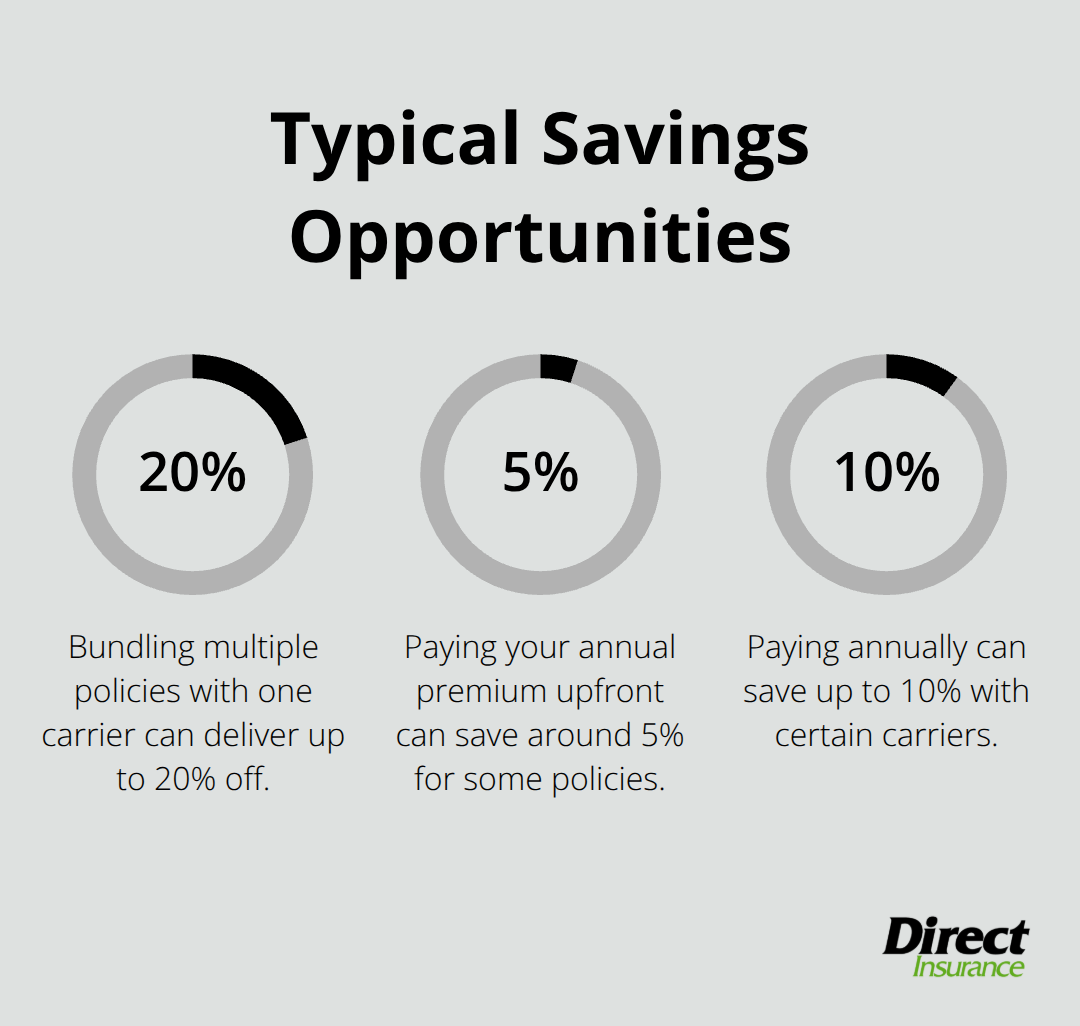
Bundling your vacation home policy with your primary residence, auto insurance, and other coverage through the same carrier generates the largest savings available to most homeowners-discounts up to 20 percent are common when you consolidate multiple policies. Paying your annual premium upfront rather than in monthly installments typically saves you 5 to 10 percent because insurers reduce their administrative costs when handling one payment instead of twelve. We at Direct Insurance Services shop multiple top-rated carriers simultaneously so you can compare which company offers the best bundling discounts for your specific situation, since the carrier offering the lowest base rate on your vacation home might not offer the best multi-policy discount.
Final Thoughts
Protecting your Utah vacation property requires understanding three core realities: Utah’s weather patterns create genuine damage risks that standard homeowners policies explicitly exclude, rental activity exposes you to liability claims that can reach six figures, and the right coverage combination saves you thousands when disaster strikes. Dwelling coverage shields your structure from hail, wind, and winter storms while personal property coverage protects your furnishings and belongings. Liability coverage becomes non-negotiable if you rent on platforms like Airbnb or VRBO, and these three components form the foundation of vacation home insurance Utah that actually works.
Your location, property features, and security measures directly control what you’ll pay for this protection. A monitored security system pays for itself within two years while cutting your premium substantially, and bundling your vacation home policy with your primary residence and auto insurance generates discounts up to 20 percent. Paying annually instead of monthly saves an additional 5 to 10 percent, making this the single most effective way to lower your costs.
The next step is straightforward: contact Direct Insurance Services today to get a custom quote for your vacation home. Our local team will walk you through your coverage options and answer questions about what protects your property and what doesn’t.
Disclaimer: The information provided in this blog is for general informational purposes only and does not constitute legal, financial, or insurance advice. Coverage options, terms, and availability may vary. Please consult with a licensed professional for advice specific to your situation

