 Roofer Insurance in Utah
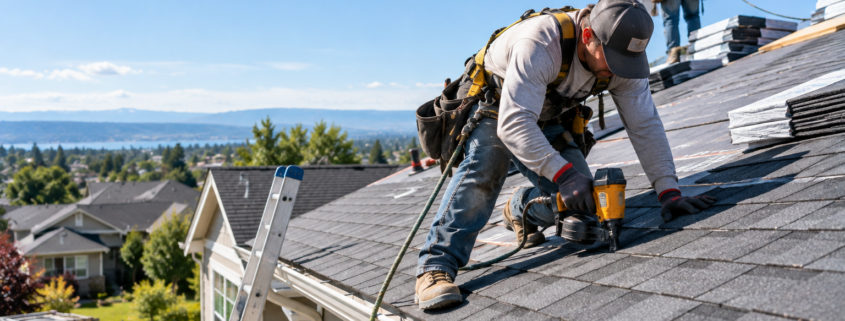
Roofer Insurance is designed for residential and commercial roofing contractors. The risks involved can be very different from those faced by an ordinary household or general business, especially when falls, weather, hot work, property damage, employee injuries, and completed operations are part of the exposure.
Coverage can be tailored to the individual situation. Direct Insurance Servicescan help clients in Utah compare available options from multiple insurance companies and review differences in coverage, limits, deductibles, and eligibility.
Why Do Roofer Businesses Need Insurance?
Roofing combines height, weather exposure, heavy materials, and the possibility of water intrusion after work is completed. Many insurers treat roofing as a specialized contracting class because of the severity of potential claims.
Insurance can help transfer some of these financial risks, but no policy covers every situation. The appropriate combination of coverage depends on the specific details of the risk and the insurance companies willing to consider it.
Roofer Insurance Coverage Options
The coverage that may be appropriate varies by client. Depending on the situation, an insurance program may include several different policies or endorsements.
General Liability Insurance
General liability insurance may help protect against covered third-party bodily injury and property damage claims. It can be especially important when customers, vendors, or members of the public are exposed to your operations.
Commercial Auto Insurance
Commercial auto insurance may cover company-owned cars, vans, pickups, or trucks used for business. Coverage may include liability and physical damage options, depending on the vehicles and policy selected.
Workers’ Compensation Insurance
Workers’ compensation insurance may help pay eligible medical expenses and lost wages when an employee suffers a work-related injury or illness. Requirements and available options vary by state.
Contractors’ Tools and Equipment Coverage
Tools, portable machinery, and equipment can be expensive to replace after theft or a covered loss. Inland marine or contractors’ equipment coverage may help protect property that regularly moves between jobsites.
Umbrella or Excess Liability Insurance
Umbrella or excess liability insurance may provide additional limits above certain underlying liability policies when a covered claim exceeds those underlying limits.
Roofer Insurance FAQs
Why is roofing insurance more expensive than many contractor policies?
Falls, working at height, hot work, weather exposure, property damage, and high-severity completed-operations claims make roofing a challenging class for insurers.
Does roofer insurance cover a roof leak after the job is finished?
Completed-operations liability may address certain covered resulting damage, but faulty workmanship itself may not be covered.
Are roofing materials covered before installation?
Installation floater coverage may protect qualifying materials at the job site, in storage, or in transit.
Do roofing subcontractors need their own insurance?
General contractors and roofing companies should require subcontractors to maintain appropriate coverage and should review certificates and additional-insured requirements.